Ask Angela: Relationship advice for love after Trauma

Ask Angela is a relationship advice column and podcast exploring the challenges of love after trauma and offering guidance for creating healthier, more fulfilling relationships.
Listen on your favorite platform



Dating After Divorce: Why It’s So Intimidating and How to Know You’re Ready
I’m newly single after a long marriage, and the idea of dating again feels more exhausting than exciting. Everything has changed, from the apps to the expectations, and I’m not sure I even want to step back into that world. Part of me would rather stay in something familiar—even if it wasn’t great—than start over at 43. How am I supposed to know if I’m actually ready to date again?

When People Pleasing Makes Your Partner's Disappointment Feel Unbearable
I love my husband deeply, but I can’t seem to cope when he’s disappointed—even when I’ve done nothing wrong. I go out of my way to keep him happy, and when I have to say no, I feel sick with guilt. He ends up comforting me instead of working through his own disappointment. Why does his disappointment feel so unbearable to me?
Dating After Mistakes: How to Own Your Past Without Letting It Define You
I’ve done the work to understand how I hurt people in my past relationships, and I’ve changed. But now that I’m ready to date again, I’m scared that being honest about who I used to be will make me look like a walking red flag. I don’t want to hide anything—but I also don’t want my past to define me. How do I share my history without scaring someone away?
How do I ask my partner to change with upsetting her?
I keep trying to communicate better with my girlfriend, but somehow I keep hurting her feelings instead. I don’t think I’m being critical—but she hears it that way, and now I’m second-guessing whether I should bring anything up at all. We just moved in together, and every small request seems to turn into a fight. How am I supposed to ask for change without damaging the relationship?
When little misunderstandings keep becoming big relationship battles
My partner and I keep having huge fights that turn out to be misunderstandings—but we don’t realize that until we’ve already hurt each other and ruined the day. By the time we figure out what was actually meant, the damage is done and we’re barely speaking. How do we stop small moments from blowing up into fights that leave us both feeling wounded?
How do you start dating at 30 when you're a complete beginner?
I’m 30 and I’ve never had a serious partner—honestly, I’ve never even made it past a couple of dates with anyone. Now I’m convinced that the moment someone finds out, they’ll see it as a major red flag and dismiss me before they ever get to know me. How am I supposed to start dating if my lack of experience is the very thing that keeps people from giving me a chance?

Is It Really Possible to Break Unhealthy Relationship Patterns and Be Happy Together?
I’ve never had what I’d call a healthy relationship, and neither has the man I’m dating now. After two long, unhappy marriages between us, this new relationship feels foreign—and almost too good to trust. I want to believe we can create something different, but I keep wondering if we’re just repeating patterns we don’t fully understand. Is it really possible to build a healthy relationship when neither of us has ever had one?
Finding Financial Harmony: How to Talk About Money with Your Partner
I grew up in a family where difficult topics like money were never discussed. Now in my marriage, my husband spends freely while I stress about our finances. I freeze every time I try to bring it up. How do I start a conversation about money without it turning into conflict?

The Real Reason Happy Couples Start Arguing
My partner and I have been together for two years, and until recently, everything felt easy. Now it seems like we’re constantly on edge, arguing over small things, and noticing how different we really are. I love her, but I’m starting to wonder if we’re too different to be happy together.

Can love survive when grief and illness take over?
My wife says she’s fallen out of love with me after years of infertility, illness, and loss. I know much of what happened was because of undiagnosed health issues—but she’s already pulled away. How do I move forward and try to mend my marriage?
Does loving unconditionally mean letting myself be treated like a toy?
How do you love without expectations in a relationship? I left someone who treated me like a partner one day and a stranger the next, but now I can’t stop blaming myself. Does unconditional love in relationships mean accepting hurtful behavior—or do we all deserve safety, reciprocity, and care?

I ended a bad relationship. But now I feel stuck.
How do you overcome the apathy that accompanies ending a bad relationship? The apathy I feel about everything makes me feel like I am stuck in a bad relationship with myself now. It's as though the lies I told myself and my own mental contortion killed the part of me that I thought I would save by ending the relationship.

She’s waiting for me to change. I’m trying to figure out how.
I never learned how to communicate with a partner. That just wasn’t a reality in my life growing up. My wife and I are at a point where all she feels is resentment and isn’t really interested in doing any more work without me putting in all the effort I didn’t at the beginning of the relationship. I’m struggling bad—trying to figure out what to do for this relationship as she continues to wait on me to figure out how I’m going to do it. How do I begin to start fixing this thing that we are in?

Our traumas got the best of us. How do I break the cycle?
I am in the middle of going through a breakup with my one-year-old baby’s father. We got pregnant right away after dating for a couple of months and decided to have our baby. It has been a very tumultuous relationship, as we both have our fair share of trauma. I felt there was genuine love and care for one another, but our traumas got the best of us. I do want to have a healthy relationship with a man and show my son what a healthy relationship looks like. Still, I’m also terrified to get into another toxic relationship.

He’s a black-and-white thinker. I see the gray. How do we talk?
I want to improve my communication skills. I can't seem to communicate with my husband. I think I need help in fully listening to him and then answering him directly. He likes short, accurate answers: “yes” or “no.” His thinking is black and white and I am more of a gray thinker.

I want to be a better listener—but I can’t stop interrupting my partner!
I have a habit of listening and interrupting my spouse when she talks, because I feel the need to respond to something she said. How can I move away from this behavior? I know it’s not fair to her.

After 15 years of gaslighting, how can I be sure I wasn’t the problem?
I’ve learned I was gaslit for 15+ years in my marriage before I left. I was always the problem. Now that I’ve left, how do I know that I’m not that person? I know my heart is good and true, but what if she was right? I’m having trouble believing myself—am I actually good or just acting good?

Why won't my partner take emotional responsibility in our relationship?
I’m very much aware of my flaws and shortcomings. How do I convince my spouse or help them realize they also have issues to work through?

I grew up with constant fighting. Now I shut down during conflict. How can I work through this?
Growing up with parents fighting constantly has affected me in so many ways. Now, I have the tendency to shut down in difficult conversations. I withdraw into myself and just freeze up. My head goes blank, and it's difficult for me to focus on the conversation at hand. What are some effective ways to work through this?

My spouse and I both have past trauma and poor communication skills. Can we get better together?
If both you and your spouse have past trauma and poor communication skills, is it possible to heal together and learn how to have a better relationship? What if one spouse is more receptive to the journey than the other?
about us
We help those with painful childhood experiences heal their relationship with themselves, deepen their connection with others, and learn the skills for having fulfilling relationships.
We created the Five Relationship Archetypes and the Relationship Yes! Test to help people better understand themselves and their patterns in relationships.
Our work also includes the Ask Angela relationship advice column and podcast, as well as the Alchemy of Connection podcast.
We founded the Institute for Trauma Informed Relationships where we offer certification and consultation provide therapists and coaches in trauma informed relationship counseling.
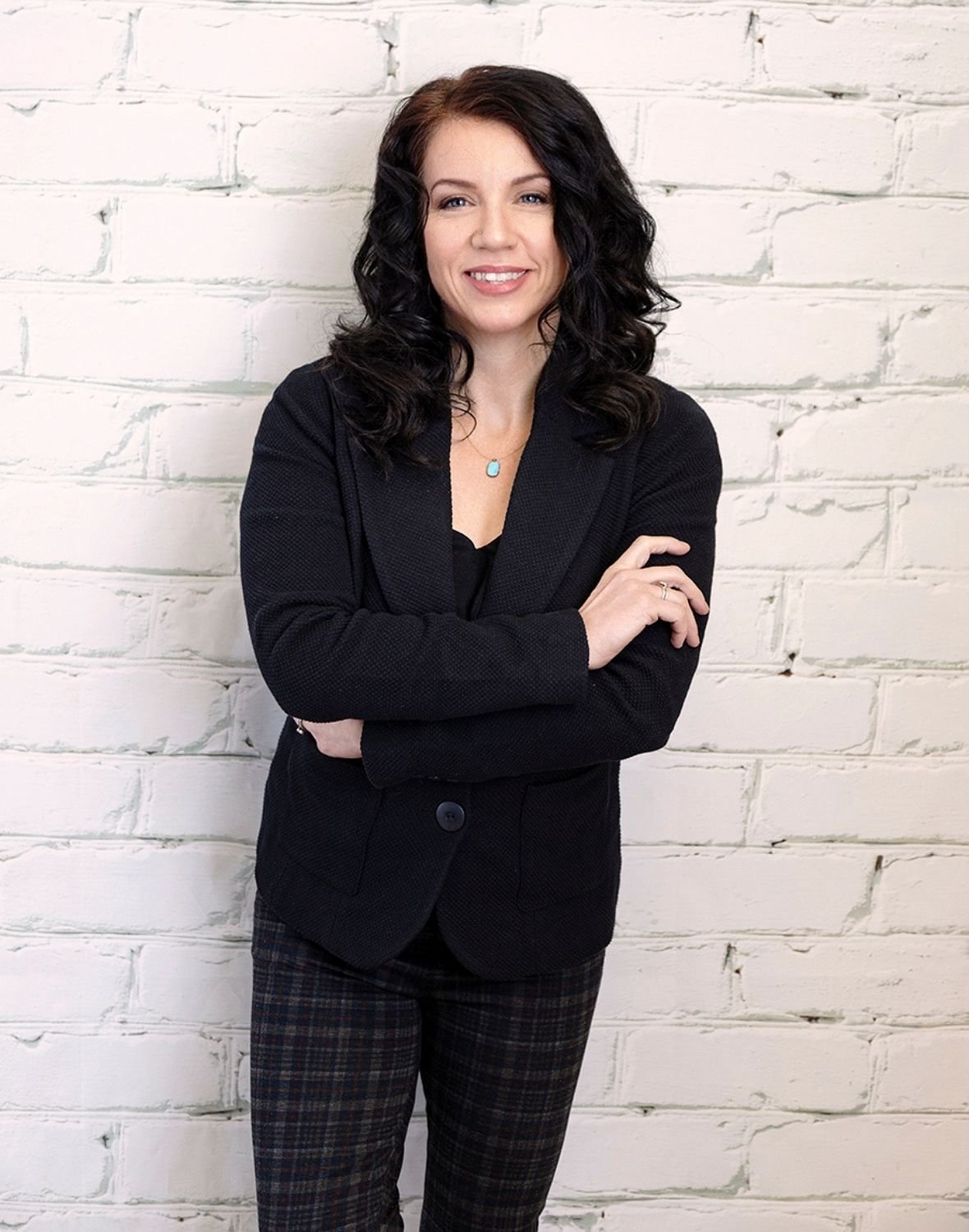
Angela Amias, LCSW
Fulfilling relationships are an essential part of living a good life. Yet, many of us (perhaps even most of us) have core wounds from childhood experiences that affect our ability to have the kinds of intimate relationships in adulthood that we long to have.
As a licensed therapist, I’ve worked with hundreds of individuals and couples to help them heal past trauma and create more meaningful, satisfying relationships with themselves and with intimate partners.
Alongside Daniel, I developed the Five Relationship Archetypes as a model that reflects the different ways that childhood relationship trauma impacts our adult relationships.
This model takes into account our unique and inborn temperaments as well as the kinds of messages we internalize during childhood — about ourselves and how we need to be in order to have relationships with others. And, more importantly, it lays out a path toward healing, by first helping you reconnect with the parts of yourself that you lost along the way … parts that weren’t accepted or safe to express when you were growing up.
It’s my belief that difficult experiences break us open to become more of who we are meant to be.
As a trauma survivor myself, and as a therapist, I’ve made it my mission to walk alongside others as you find your path toward healing and discovering a life of more meaning and joy.
I’ve been featured in a range of publications, including Today, Oprah, Cosmopolitan, Well + Good, The Independent, Salon, Inc., Forbes, Toronto Sun, Women’s Health, and Refinery29.
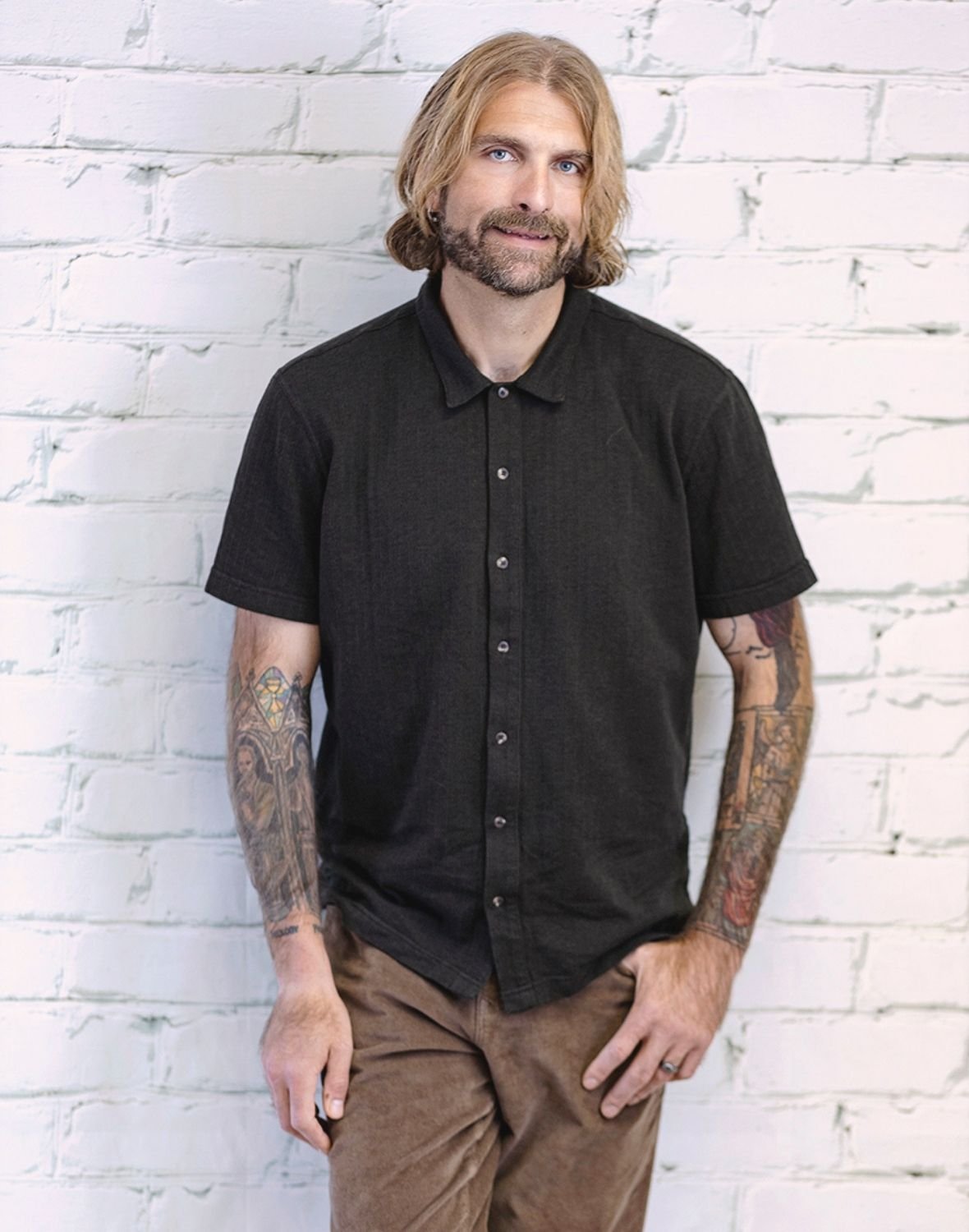
Daniel Boscaljon, PHD
The most important relationship you’ll ever have is the one you have with yourself.
It’s also true that your connections with others can never be better than your relationship with yourself, which is why healing painful or traumatic experiences from childhood is such a vital part of having meaningful, satisfying relationships in adulthood.
My own personal search for how to cultivate a meaningful life came after years of feeling disconnected from others and from myself.
Though I entered graduate school focused on the intellectual aspects of earning a PhD in Religious Studies (and then another one in English), I discovered along the way how to use what I learned to repair the inner fractures of my own life.
As I reconnected with myself, I found that I was better able to connect with others as well.
With over twenty years of experience working with individuals, I focus on translating theories of love into practical guidance that helps you create meaningful, fulfilling relationships.
I’ve presented internationally on the topics of love and intimacy, and have been interviewed in publications including NBC News, Newsweek, Harper’s Bazaar, MindBodyGreen, Forbes, Salon, FastCompany, Business Insider, and Verywell Mind.
featured in